
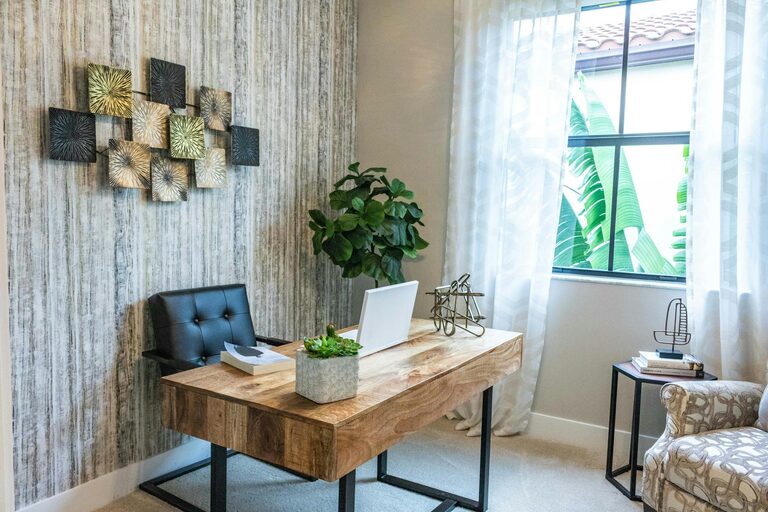
Creating a relaxing home workspace is essential for anyone balancing work and life in the same environment. A well-designed space can boost your productivity, reduce stress, and make your workday more enjoyable. Whether you work from home full-time or need a dedicated area for occasional tasks, these tips will help you create a comfortable, inviting workspace.
Why a Relaxing Workspace Matters
Your workspace affects your mood and efficiency. A cluttered or uncomfortable environment can distract you and increase stress levels. In contrast, a calm, well-organized space helps you stay focused, think clearly, and work more efficiently. By designing your workspace with relaxation and comfort in mind, you can set yourself up for success.
Choose the Right Location
Start by selecting a spot in your home that minimizes distractions. A quiet corner, spare room, or even a section of your bedroom can work well. If possible, choose a place with natural light, as sunlight improves mood and energy.
Tips for Choosing Your Workspace Location
– Avoid high-traffic areas where others frequently pass by.
– Consider noise levels; use noise-cancelling headphones or white noise machines if needed.
– Ensure there is enough space for your desk, chair, and storage.
Invest in Comfortable Furniture
Ergonomic furniture is key to comfort and health. An uncomfortable chair or desk height can cause fatigue or pain, lowering productivity.
Essentials to Consider
– Desk: A surface large enough for your computer, notebook, and other essentials. Height adjustable desks allow you to switch between sitting and standing.
– Chair: Look for lumbar support, adjustable height, and comfortable padding.
– Footrest: Helps maintain good posture if your feet don’t reach the floor.
Spending a little more on quality furniture pays off in comfort and reduced strain.
Organize Your Space
Clutter can lead to distraction and anxiety. Keeping your workspace tidy helps your mind stay clear and focused.
Organization Tips
– Use drawer organizers and desk trays to manage supplies.
– Keep only essential items on your desk.
– Schedule regular clean-ups to maintain order.
– Consider shelves or filing cabinets for paperwork.
Add Personal Touches
A relaxing workspace should feel inviting. Adding personal touches can boost your mood and motivation.
Some ideas include:
– Framed photos or artwork.
– A small plant to bring nature indoors.
– Inspiring quotes or vision boards.
– A cozy throw or cushion.
Just be careful not to overdo it — too many items can create distractions.
Control Lighting
Proper lighting is crucial for both comfort and productivity. Harsh or dim lighting can cause eye strain and headaches.
Lighting Recommendations
– Make use of natural light when available.
– Use adjustable desk lamps for focused tasks.
– Choose bulbs with soft, warm light rather than harsh fluorescent.
– Position your screen to avoid glare.
Manage Noise Levels
Noise distractions can disrupt concentration. How much noise you can tolerate depends on your personal preference and work type.
Ways to Reduce Noise
– Use noise-cancelling headphones.
– Play low-volume background music or nature sounds.
– Add rugs, curtains, or cushions to absorb sound.
– Seal gaps around doors and windows to block outside noise.
Incorporate Break Areas
Taking regular breaks is important to maintain productivity and avoid burnout. If space allows, create a separate spot nearby where you can relax.
Ideas include:
– A comfortable chair or bean bag.
– A place for stretching or light exercise.
– A reading nook with your favorite books.
Knowing you have a “break zone” can encourage you to step away and recharge during your day.
Minimize Digital Distractions
Technology can both improve and hinder productivity. Managing digital distractions is important.
Helpful Strategies
– Set specific times to check email and social media.
– Use apps that block distracting websites during work hours.
– Keep your workspace phone-free or on silent.
Maintain Good Air Quality
Fresh air promotes alertness and wellbeing. Ensure your workspace has good ventilation.
Tips to improve air quality:
– Open windows periodically to let in fresh air.
– Use air purifiers if needed.
– Add air-purifying plants like spider plants or snake plants.
Final Thoughts
Designing a relaxing home workspace takes some effort but delivers great rewards. By choosing the right location, investing in comfortable furniture, organizing your area, and adjusting lighting and noise, you create an environment that supports both productivity and comfort. Personal touches and healthy habits round out the experience, helping you work smarter and feel better every day. Start small and adjust over time until your workspace feels just right!