Creating a relaxing home office environment is essential for maintaining focus, creativity, and overall well-being while working from home. A thoughtfully designed space can reduce stress and help you separate work from personal life, even when both happen under the same roof. This guide offers practical tips to help you transform your home office into a calm and productive retreat.
Choose the Right Location
Selecting the ideal spot for your home office is the foundation of a relaxing workspace. Consider these factors when deciding where to set up:
– Natural Light: Position your desk near a window to take advantage of natural sunlight. Exposure to daylight can improve mood and energy.
– Quiet Area: Choose a part of your home with minimal noise and distractions. This might be a spare room, a corner in a seldom-used room, or even a converted closet.
– Ventilation: Ensure good airflow to keep the space fresh and comfortable.
Invest in Comfortable Furniture
Comfort is key when designing a space where you will spend many hours. Here’s what to keep in mind:
– Ergonomic Chair: Choose a chair that supports your lower back and promotes good posture.
– Adjustable Desk: If possible, use a desk with adjustable height to switch between sitting and standing.
– Desk Space: Ensure there is enough room to organize your essentials without feeling cluttered.
Maintain Cleanliness and Organization
An organized workspace supports a clear mind. Try these strategies:
– Declutter Regularly: Keep only the items you need on your desk to avoid distractions.
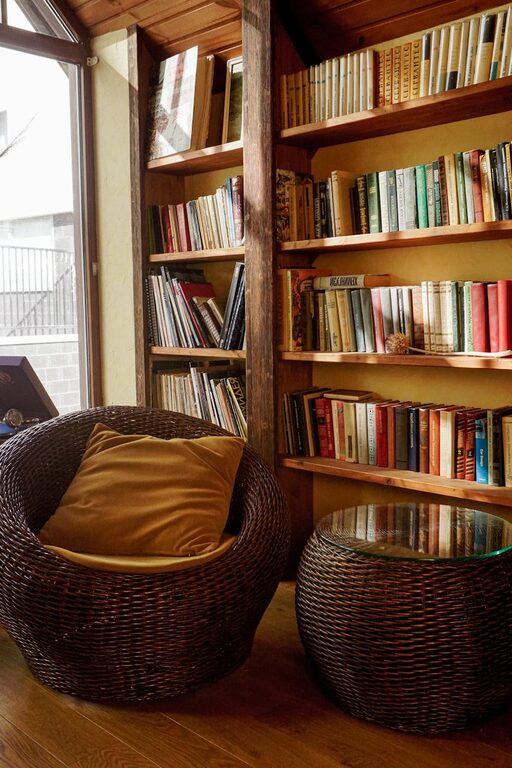
– Storage Solutions: Use shelves, baskets, or filing cabinets to keep paperwork and supplies tidy.
– Cable Management: Hide or bundle cords to reduce visual clutter.
Use Calming Colors and Decor
Color and décor can greatly influence the mood of your workspace.
– Choose Soft Colors: Shades like light blue, green, and soft gray are known for their calming effects.
– Add Personal Touches: Photos, artwork, or plants can make the space feel welcoming without overwhelming it.
– Limit Busy Patterns: Avoid overly loud designs that may increase stress or distraction.
Incorporate Plants and Natural Elements
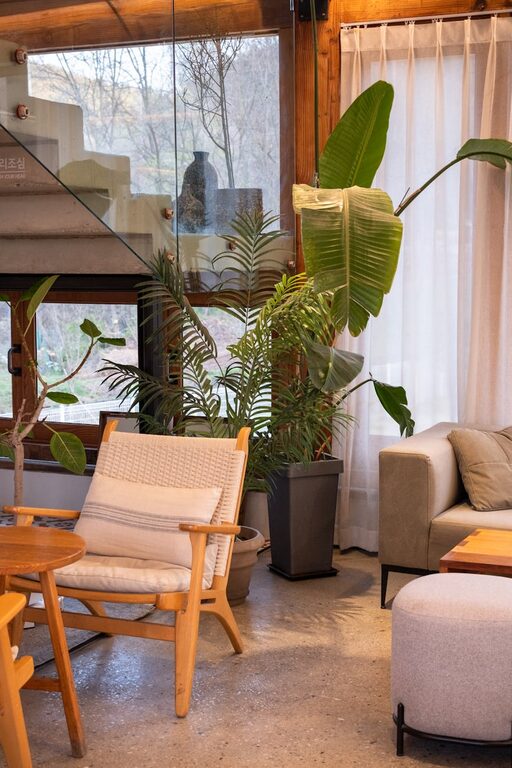
Indoor plants not only improve air quality but also add a touch of tranquility.
– Easy-Care Plants: Consider options like snake plants, pothos, or succulents if you’re new to plant care.
– Natural Materials: Wood accents or stone accessories help create a grounded and soothing atmosphere.
Control Lighting
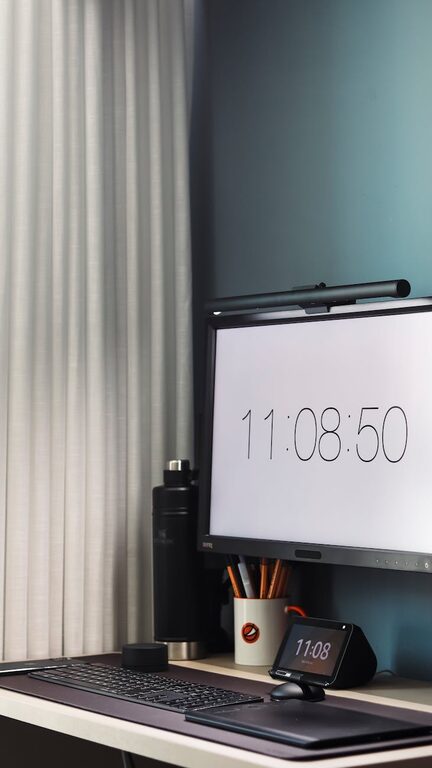
Proper lighting reduces eye strain and enhances comfort.
– Layered Lighting: Combine natural light, overhead lighting, and task lighting for flexibility.
– Adjustable Lamps: Use desk lamps with adjustable brightness to suit different times of day.
– Avoid Glare: Position screens and lights to minimize reflections on your monitor.
Minimize Noise Distractions
Reducing noise helps maintain focus and calm.
– Noise-Canceling Headphones: A great tool if your space is near busy areas.
– Soft Textiles: Rugs, curtains, and cushions can absorb sound, making the room quieter.
– White Noise or Nature Sounds: Consider using apps or devices that create a soothing background ambiance.
Set Boundaries and Personal Routine
Creating mental boundaries is as important as the physical workspace.
– Defined Work Hours: Set a schedule that signals when your workday starts and ends.
– Breaks and Movement: Include short breaks and stretches to refresh your mind.
– Dedicated Work Zone: If space allows, keep your office separate from leisure areas.
Technology That Supports Relaxation
The right technology can make your working experience smoother and less stressful.
– Cable Organization: Wireless devices or well-managed cables prevent tangles and mess.
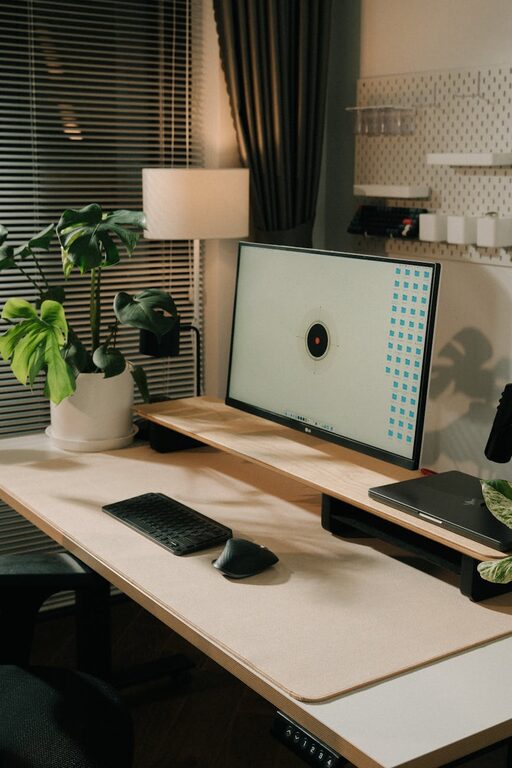
– Monitor Stands: Elevate your screen to eye level to reduce neck strain.
– Ergonomic Accessories: Consider a comfortable keyboard and mouse to limit fatigue.
—
Creating a relaxing home office environment takes some planning but pays off in increased comfort and productivity. By blending functionality with soothing aesthetics and incorporating personal touches, you can build a workspace that inspires focus and peace every day. Whether you have a large spare room or just a small corner, these tips can help you design a home office that feels like your calm professional sanctuary.